Adult acne: why it appears and how it's treated
Acne isn't just for teenagers. Many people deal with it in their 30s or 40s, especially on the chin and jaw. We explain the causes and why popping pimples is the worst advice.
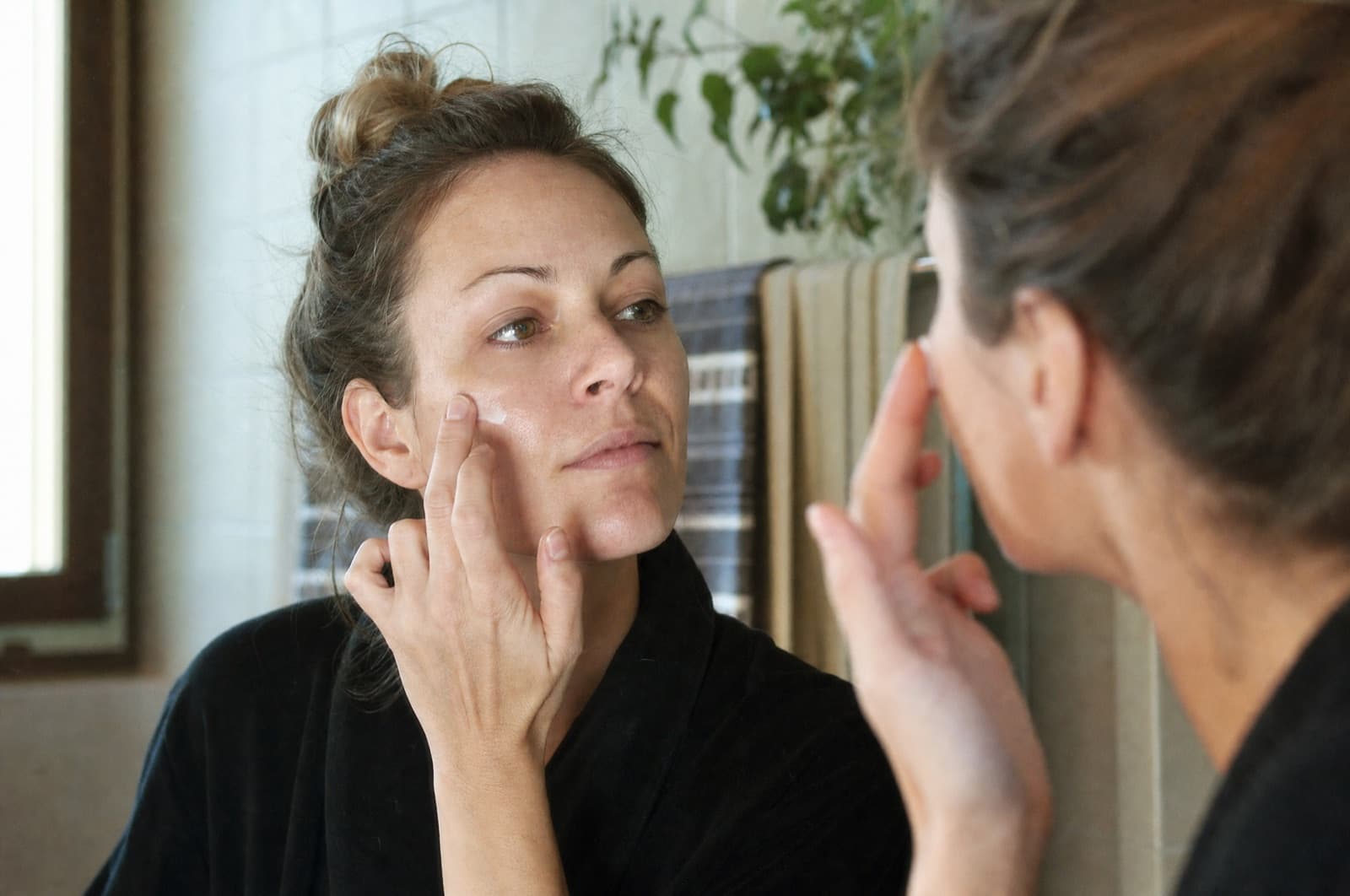
There is a very common and very false idea: that acne "goes away" once you leave adolescence. The reality is that adult acne is increasingly frequent, especially in women, and it typically appears in the lower face: chin, jaw and neck. It has treatment, and the sooner it is addressed, the fewer marks it leaves.
Why it appears in adulthood
- Hormonal factor: cycle fluctuations, certain contraceptives or conditions like polycystic ovary syndrome.
- Stress: raises cortisol and favors breakouts.
- Comedogenic cosmetics or overly aggressive routines that irritate the skin.
- Genetic predisposition and skin type.
The most common mistake: popping pimples
It is tempting, but manipulating the lesions is the origin of most marks. Squeezing pushes the inflammation inward and increases the risk of dark spots (hyperpigmentation) and scarring. Marks are far harder to treat than the pimple itself.
How it's treated
Treatment depends on the type and severity of the acne. It may include topical actives (retinoids, benzoyl peroxide, etc.), oral treatment in moderate or severe cases, and addressing the hormonal component when present. The key is a personalized, sustained plan: acne responds, but not overnight.
And the marks already there
Once the breakout is controlled, the aftermath —spots and scars— can be treated with specific dermatological procedures. But the best treatment for marks is preventing them: controlling acne in time and not picking. An assessment defines what your skin needs at each stage.
Medically reviewed by
Dr. Angélica Ruiz Dueñas
Medical & Aesthetic Dermatology · Professional license 13301912 · Specialty 10345874
This article is for general guidance and does not replace a medical consultation. For a personalized diagnosis, book an assessment with Dr. Angélica Ruiz.
Dermatology consultation
Your skin deserves medical insight.
Clear up your doubts with a professional assessment and a plan designed for your case.
See all treatments