Sun protection: the dermatologist's guide to using it right
It's the most effective anti-aging product and the best skin-cancer prevention, yet almost no one uses it well. Which SPF to choose, how much to apply and why reapplying is nearly everything.
If you could add just one habit to your skin routine, it would be this. Daily photoprotection is at once the best anti-aging treatment and the main tool to prevent skin cancer and dark spots. The curious thing is how badly we tend to use it.
Why it matters so much
Ultraviolet radiation is the leading cause of photoaging (wrinkles, spots, loss of firmness) and a central factor in skin cancer. Much of the damage is cumulative and silent: you do not need to burn for it to happen. That is why protection is not just "for the beach."

How to choose and use it well
- SPF 30 minimum, 50 better, and broad spectrum (UVA + UVB).
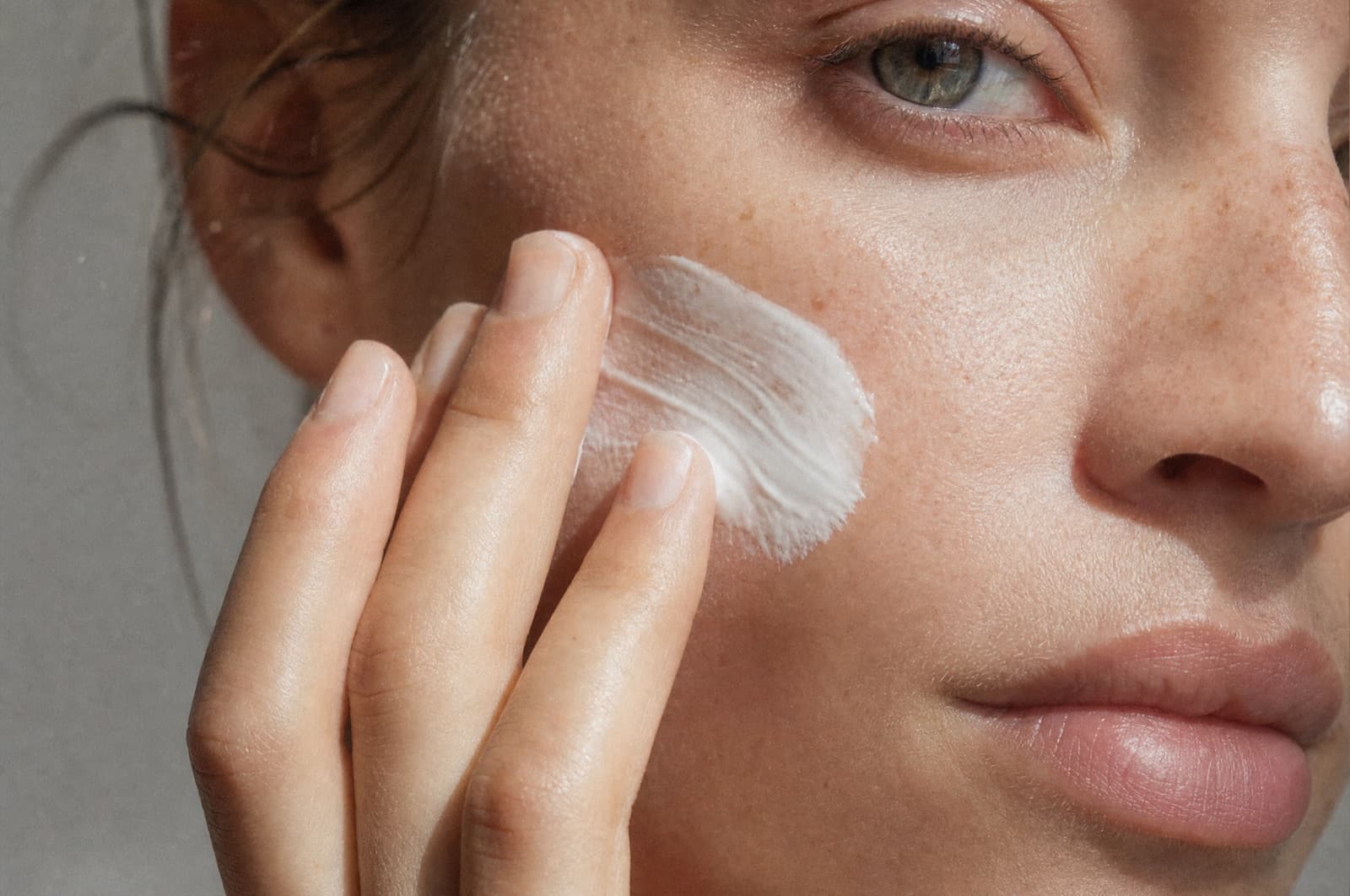
- Enough product: on the face, about two fingers' worth. Most people apply too little and never get the protection on the label.
- Reapply every 2–3 hours with exposure, and after sweating or swimming.
- Every day, including cloudy days and indoors near windows (UVA passes through glass).
- For spot-prone skin (melasma), a tinted one is better, as it also protects against visible light.
Mineral or chemical: what really matters
Both filter types are safe and effective. Mineral ones (zinc oxide, titanium dioxide) usually suit sensitive skin better; chemical ones are lighter and more cosmetic. The best sunscreen is, quite simply, the one you'll actually wear every day.
Beyond the cream
Photoprotection is also shade, a hat, sunglasses and clothing, and avoiding the midday hours. And a check-up: if you notice a mole that changes, do not let it slide. Protecting your skin from the sun today is the best insurance for your skin tomorrow.
Medically reviewed by
Dr. Angélica Ruiz Dueñas
Medical & Aesthetic Dermatology · Professional license 13301912 · Specialty 10345874
This article is for general guidance and does not replace a medical consultation. For a personalized diagnosis, book an assessment with Dr. Angélica Ruiz.
Dermatology consultation
Your skin deserves medical insight.
Clear up your doubts with a professional assessment and a plan designed for your case.
See all treatments