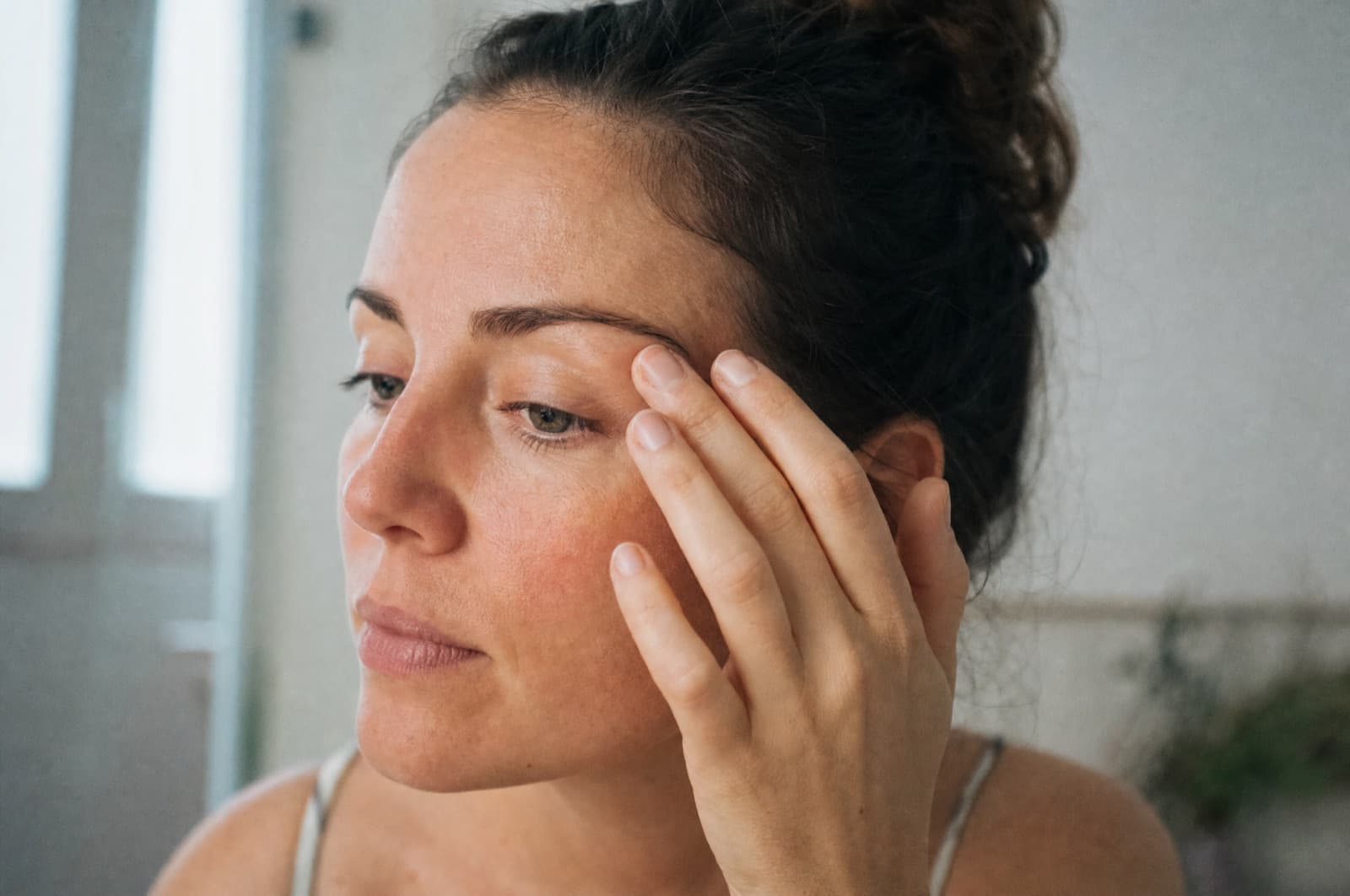
How to remove microblading: laser to erase micropigmentation
Color that turned blue or reddish, an outdated shape or migrated strokes. We explain why laser is the safest dermatological route to remove microblading and what to expect from each session.
Microblading does not always age well. Over time the pigment can shift color, the strokes can migrate and blur, or the shape simply stops suiting you. The good news: it can be removed in a controlled way, and laser is today the go-to dermatological tool.
Why people want it removed
- Color change: the pigment turns bluish, gray or reddish as it degrades.
- Stroke migration: the fine lines blur and the brow loses definition.
- Outdated shape: a brow that is too thick, straight or arched and no longer suits you.
- Asymmetry or a poor result from previous work.
- Preparing the ground for a natural, permanent eyebrow transplant.
How the laser works
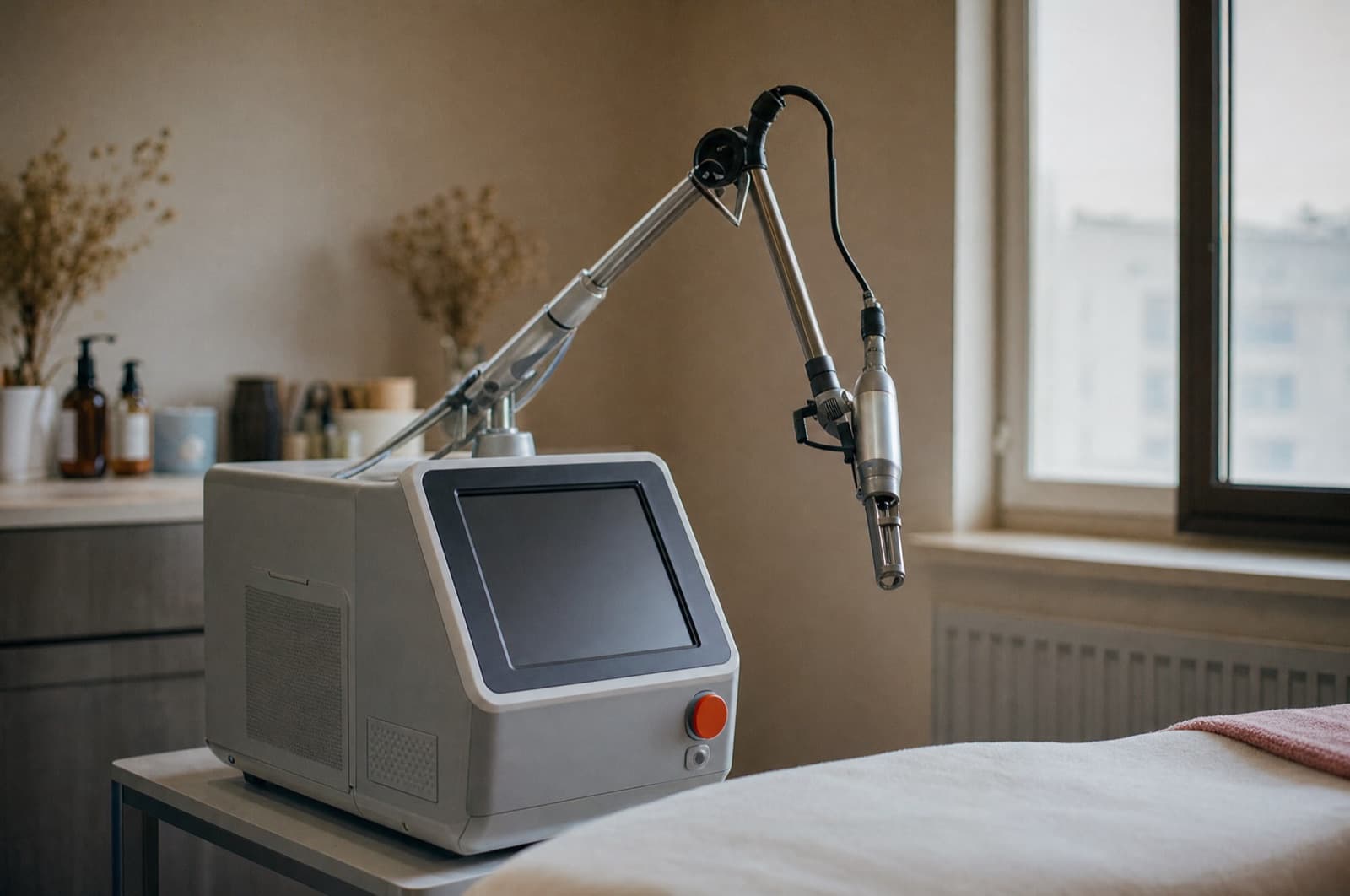
We use Q-switched or picosecond lasers, which emit ultra-short pulses of energy. That energy shatters the pigment particles into tiny fragments that your own immune system clears over the following weeks. It is the same principle as tattoo removal, applied with great precision in a delicate area.
What to expect from the sessions
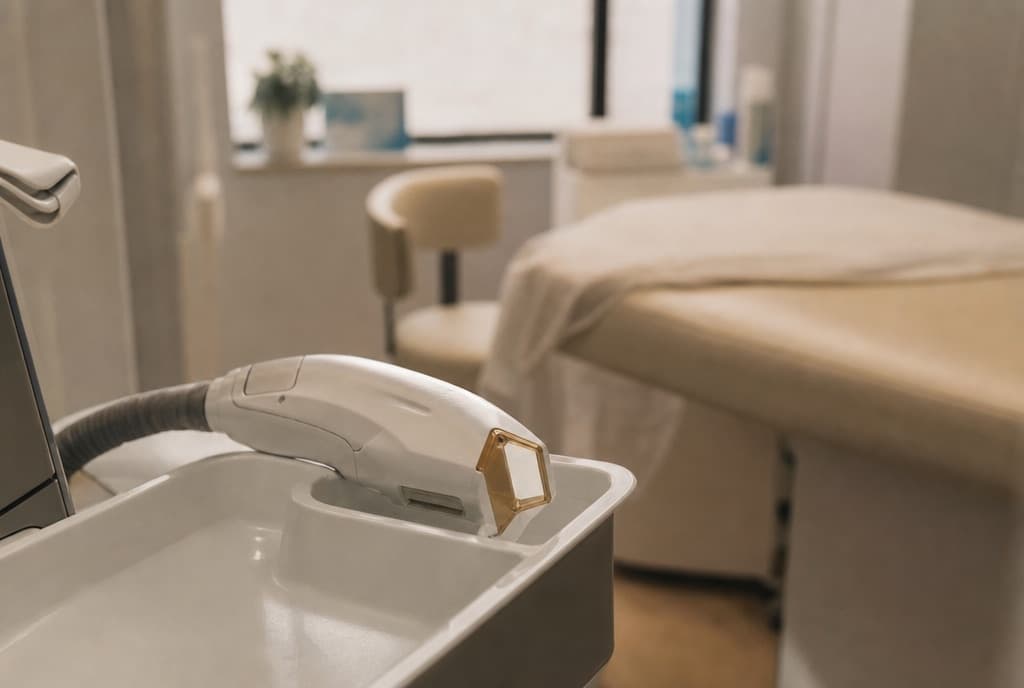
Removal is gradual: it usually takes several sessions (often between 3 and 6), spaced about 6–8 weeks apart to give the body time to clear the fragmented pigment. The exact number depends on the amount and depth of the pigment, its color and your skin type.
Aftercare following each session
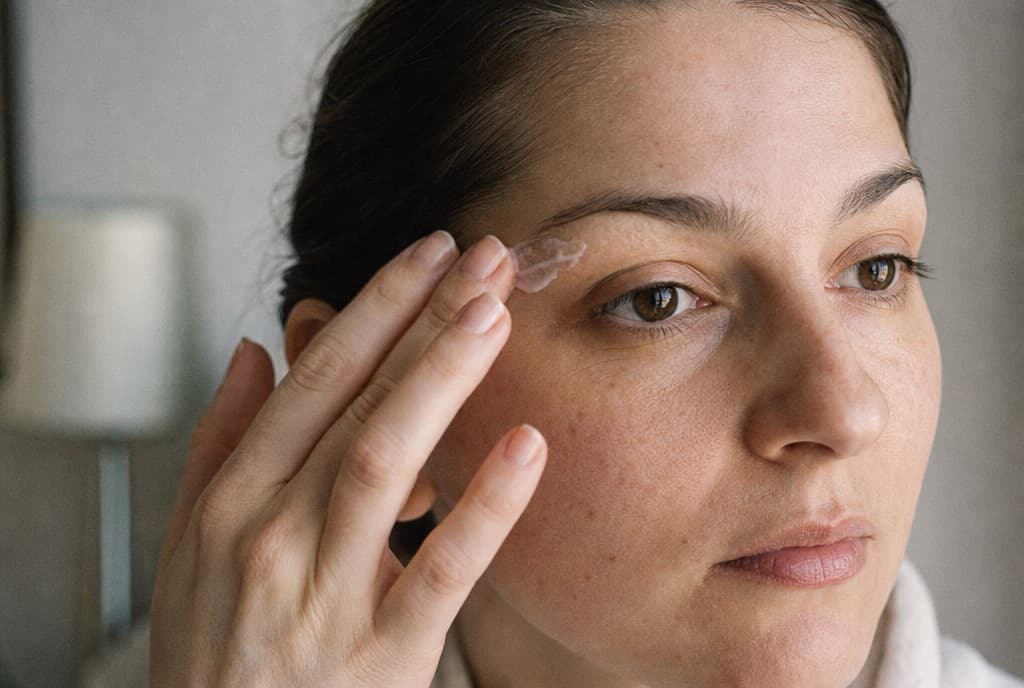
- Keep the area clean and apply whatever your dermatologist indicates.
- Avoid direct sun and use high SPF to prevent dark spots.
- Do not scratch or pick the scabs: they fall off on their own.
- No exfoliants or makeup over the area until it heals.
And after it is removed?
Many people who remove microblading then look for a solution that does not depend on touch-ups. Once the skin is clean and healthy, it is the ideal time to assess an eyebrow transplant: your own hair growing naturally and permanently, with no pigments that shift over the years.
Medically reviewed by
Dr. Angélica Ruiz Dueñas
Medical & Aesthetic Dermatology · Professional license 13301912 · Specialty 10345874
This article is for general guidance and does not replace a medical consultation. For a personalized diagnosis, book an assessment with Dr. Angélica Ruiz.
Eyebrow transplant
Want natural eyebrows that last for good?
Find out in consultation whether the eyebrow transplant is for you. We study your density, shape and expectations to give you a tailored result.
See the eyebrow transplant page