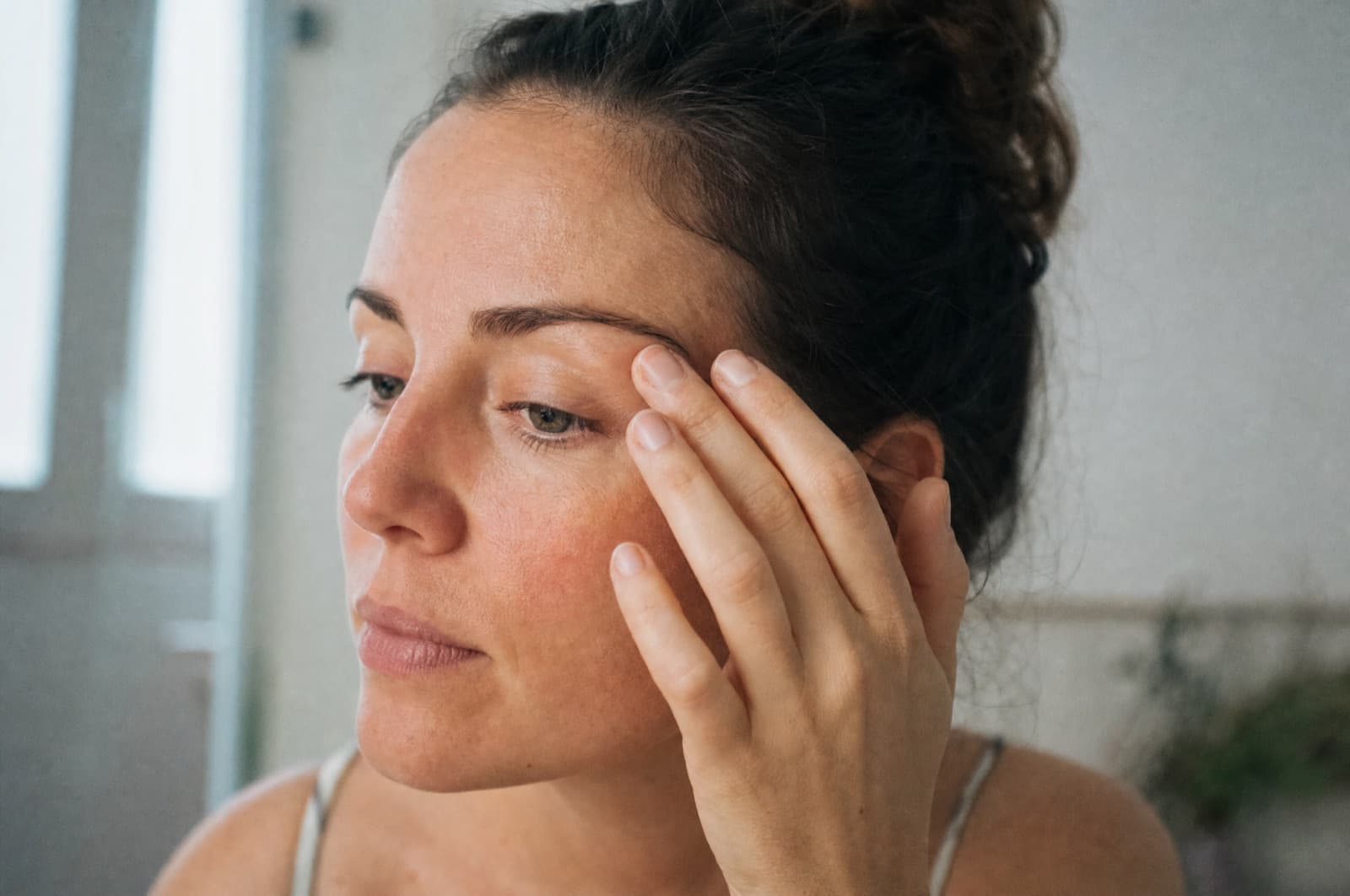
Does an eyebrow transplant hurt? Anesthesia, discomfort and real recovery
It's the question almost nobody asks out loud and everyone wants answered before deciding. Honest answer: the only uncomfortable part is the pinch of the anesthesia. We tell you what each phase feels like, unsweetened.

Let's answer the question that brings most people to this article, straight up: an eyebrow transplant is not painless, but it is very tolerable. The only genuinely uncomfortable part of the day is the few seconds of local anesthesia. Everything else — the hours of surgery, the days after — goes far better than you imagine. Here it is, phase by phase, honestly.
The short answer
On a 0-to-10 scale, most of our patients describe the anesthesia as a 4–5 for a few seconds, the surgery as a 0, and the first days as a 1–2 of discomfort (tightness and itching rather than pain), managed with common painkillers. No phase comes close to the pain of, say, a large tattoo or waxing the same area.
The anesthesia: the only uncomfortable moment
The local anesthetic is infiltrated with a very fine needle into the brow and the donor area at the nape. It feels like several stinging pinches lasting seconds; we use techniques to soften them (cold, vibration, slow infiltration). Within minutes, both areas are completely numb — and the anesthesia is topped up during the day if needed, before you can feel it.
During surgery: four hours of podcasts
With the area numb, the extraction and implantation do not hurt: you will feel pressure, some movement, and little else. Most patients pass the time with music, a podcast or dozing, with breaks to stretch and eat. If you feel any sensitivity at any point, the anesthesia is reinforced immediately. You can read the full timeline of the day in what an eyebrow transplant is really like, step by step.
The first days at home
- Day 0–1: as the anesthesia wears off, a feeling of tightness and mild burning, like light sunburn. Acetaminophen and done.
- Days 2–4: some swelling may appear on the forehead or eyelids (it subsides on its own) and the itching of healing begins: it is a good sign, and you don't scratch it.
- Days 5–10: the fine scabs fall off by themselves. The nape, meanwhile, barely registers: most describe it as 'I forgot it was there.'

Signs you should actually report
Fear of pain is objection number one — and the one that deflates fastest once you know the details. If you are at that point, the natural next steps are reviewing the first week's aftercare, confirming whether you are a candidate and, whenever you like, booking an assessment at eyebrow transplant to discuss your specific case, no strings attached.
Medically reviewed by
Dr. Angélica Ruiz Dueñas
Medical & Aesthetic Dermatology · Professional license 13301912 · Specialty 10345874
This article is for general guidance and does not replace a medical consultation. For a personalized diagnosis, book an assessment with Dr. Angélica Ruiz.
Eyebrow transplant
Want natural eyebrows that last for good?
Find out in consultation whether the eyebrow transplant is for you. We study your density, shape and expectations to give you a tailored result.
See the eyebrow transplant page