Eyebrow transplant results month by month: when you'll see your final brow
Eyebrow transplant results aren't linear: there's an expected shedding phase that scares the unprepared, and a takeoff that arrives months later. This is the honest calendar, from day 1 to month 12.
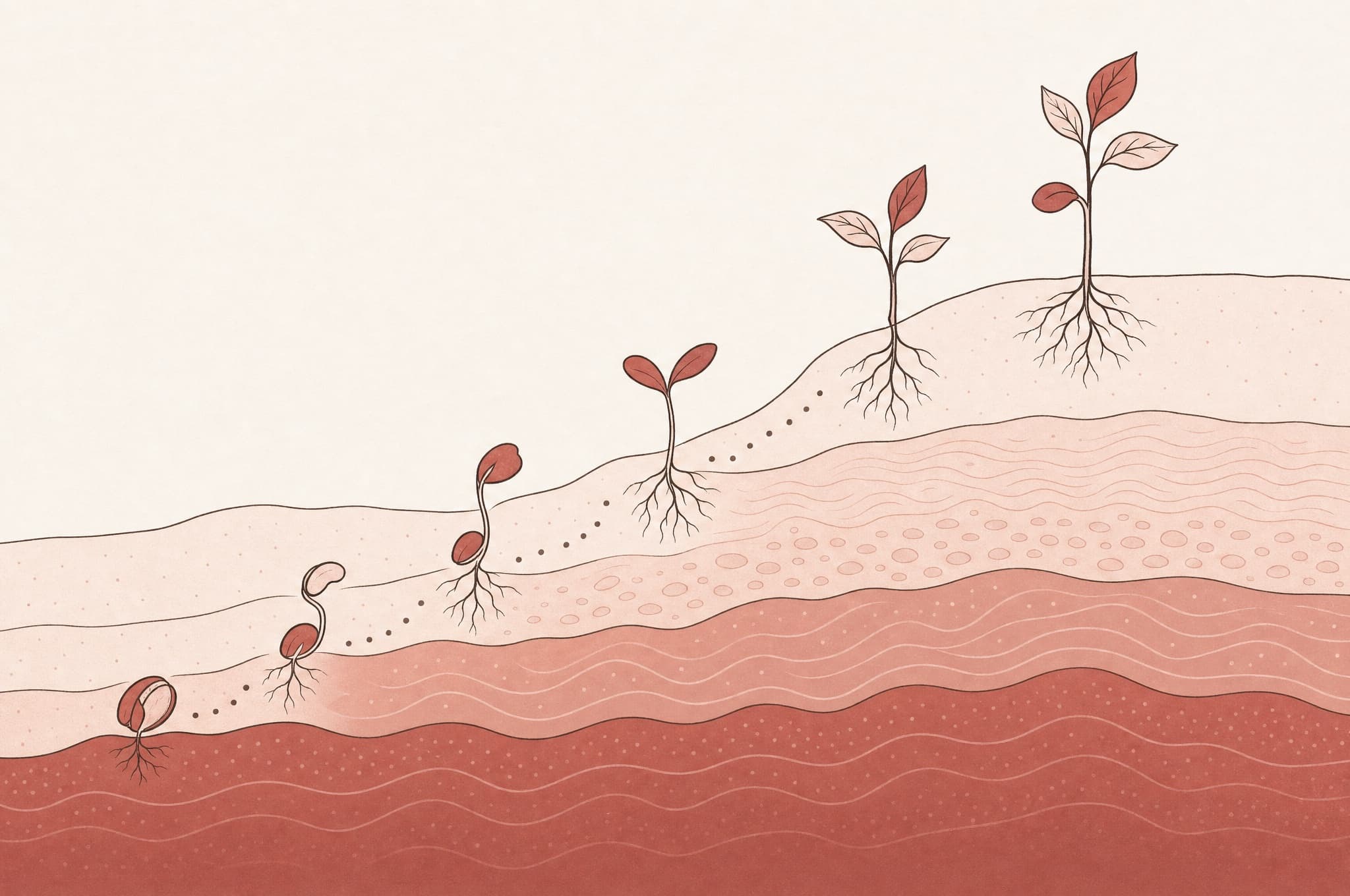
If there is one thing we ask of our eyebrow transplant patients, it is informed patience: knowing what will happen each month prevents unnecessary scares — especially one, the famous *shock loss*, which arrives right on schedule and bewilders anyone who wasn't expecting it. This is the real results calendar, unsweetened.
The results curve (it is not linear)
The most common mistake is imagining steady improvement from day 1. Reality is shaped like a valley: you leave surgery with a populated brow, lose almost all of it over the following weeks, and regain it — this time for good — from the third or fourth month. Those who know the curve cross it calmly; those who don't, suffer for no reason.
Weeks 1–2: scabs and patience
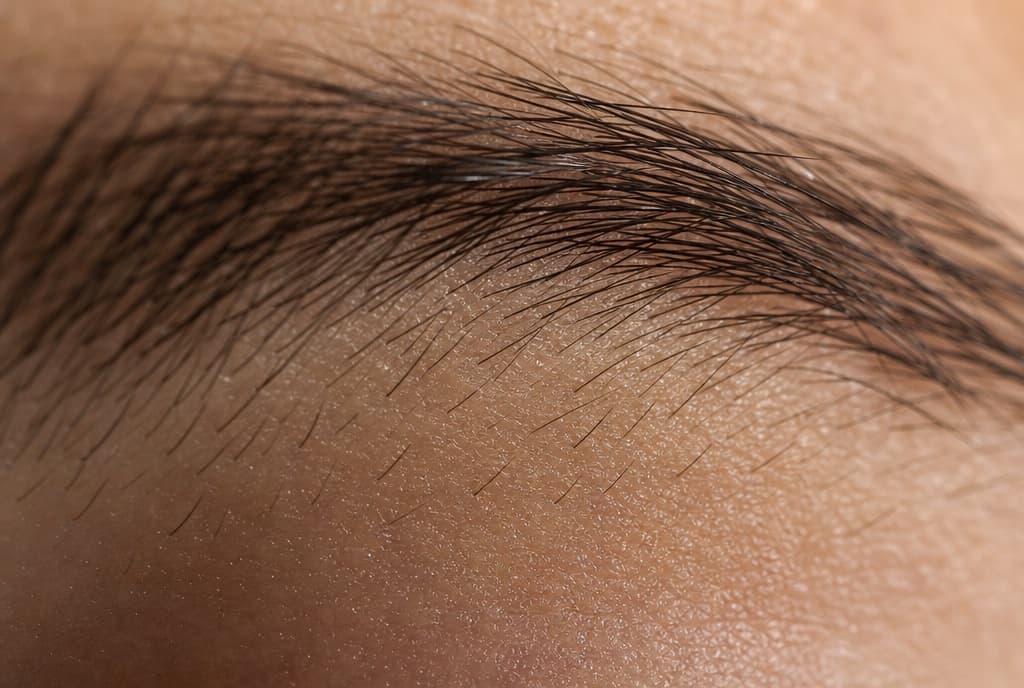
In the first days you will see the brow drawn in with short hairs and fine scabs around each graft, which fall off on their own by day 7–10. There may be some swelling and redness that subsides quickly. This phase's care is simple but important — it is covered in detail in the aftercare guide.
Shock loss: the shedding that scares you and is normal
Between weeks 2 and 8, most of the transplanted hairs shed. It is called *shock loss*, and it is pure physiology: after the transplant, the follicle enters a resting phase and releases the hair shaft — but the follicle stays alive and anchored under the skin. You have lost nothing: the root is there, preparing the permanent hair.
Months 3 to 6: the brow takes off
- Month 3–4: the permanent hairs start to emerge — fine and short at first, not all at once.
- Month 5: growth becomes widespread; the brow looks clearly fuller and starts asking for its first trim.
- Month 6: a 'presentable' result: noticeable density and defined shape. Not the end yet — it keeps thickening and maturing.
The final result: month 12
Between months 9 and 12 the hair gains thickness, length and settle, and the brow reaches its definitive look. From here on, it is yours for good: it only asks for a trim every 2–4 weeks, because nape hair keeps its growth rhythm. One important note: timings vary between people — your dermatologist will assess your progress at the follow-ups.

When is the best time to have it done?
Count backwards: if you have surgery in December or January, you cross the shock-loss valley in winter and debut your brows around spring-summer. Many patients plan it that way, also using the holiday downtime for the first week of care. If you are weighing dates and budget, review the price and payment options and what surgery day is like.
Medically reviewed by
Dr. Angélica Ruiz Dueñas
Medical & Aesthetic Dermatology · Professional license 13301912 · Specialty 10345874
This article is for general guidance and does not replace a medical consultation. For a personalized diagnosis, book an assessment with Dr. Angélica Ruiz.
Eyebrow transplant
Want natural eyebrows that last for good?
Find out in consultation whether the eyebrow transplant is for you. We study your density, shape and expectations to give you a tailored result.
See the eyebrow transplant page