Mole checks: the ABCDE rule for knowing when to worry
Most moles are harmless, but knowing how to look at them saves lives. We teach you the ABCDE rule and the single most important sign for catching a melanoma in time.
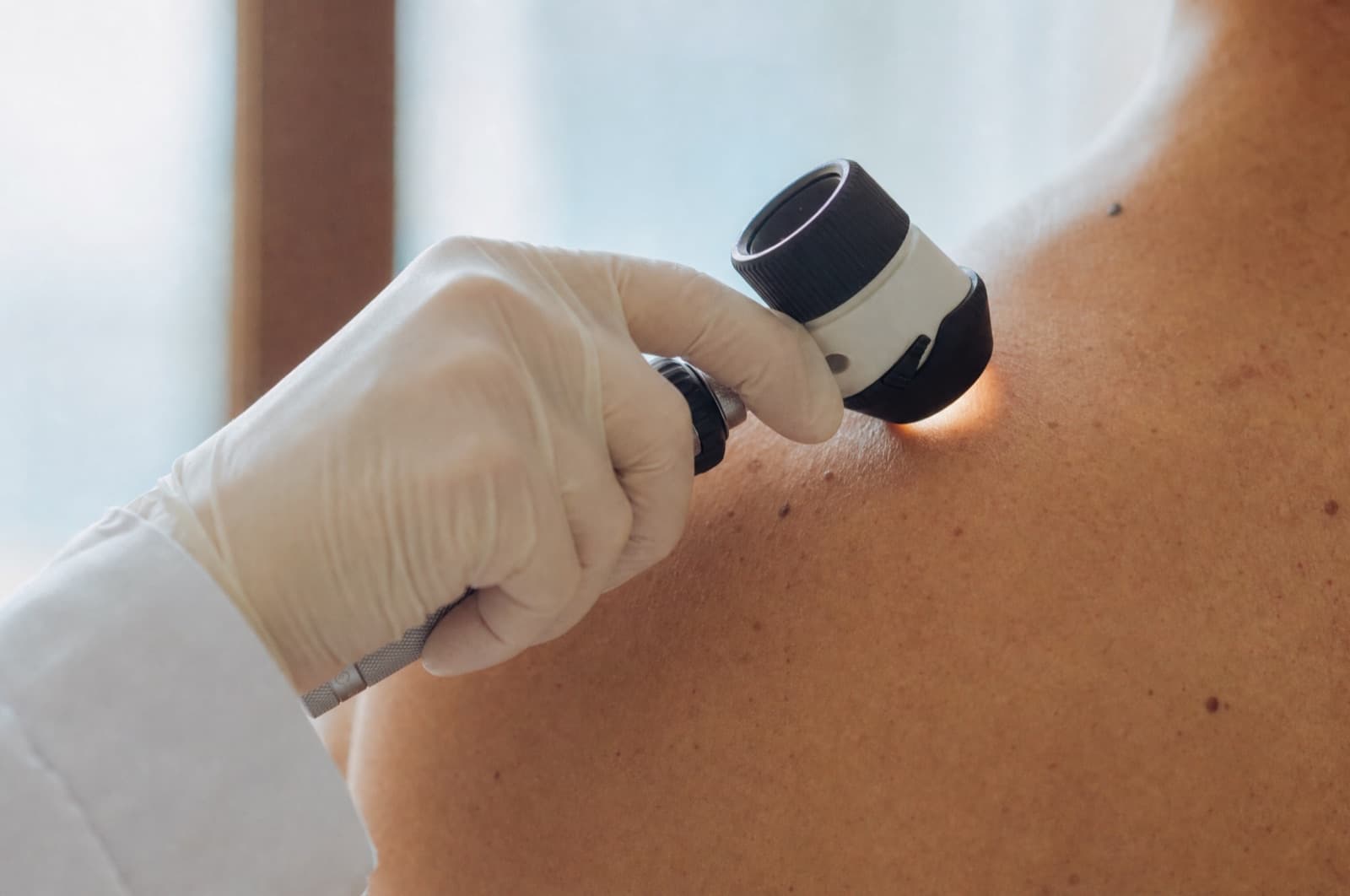
Almost everyone has moles, and the vast majority are completely harmless. But the mole is also how the skin warns us: learning to look at them and check them in time is one of the simplest and most valuable health habits there is. Caught early, melanoma —the most serious skin cancer— has a very good prognosis.
The ABCDE rule
It is a simple guide to the features that should prompt a check-up:
- A — Asymmetry: one half does not match the other.
- B — Border: irregular, poorly defined or notched.
- C — Color: several colors or uneven tones in the same mole.
- D — Diameter: larger than about 6 mm (like a pencil eraser), though smaller ones exist.
- E — Evolving: changes in size, shape or color, or that itches, bleeds or won't heal.
How often to check
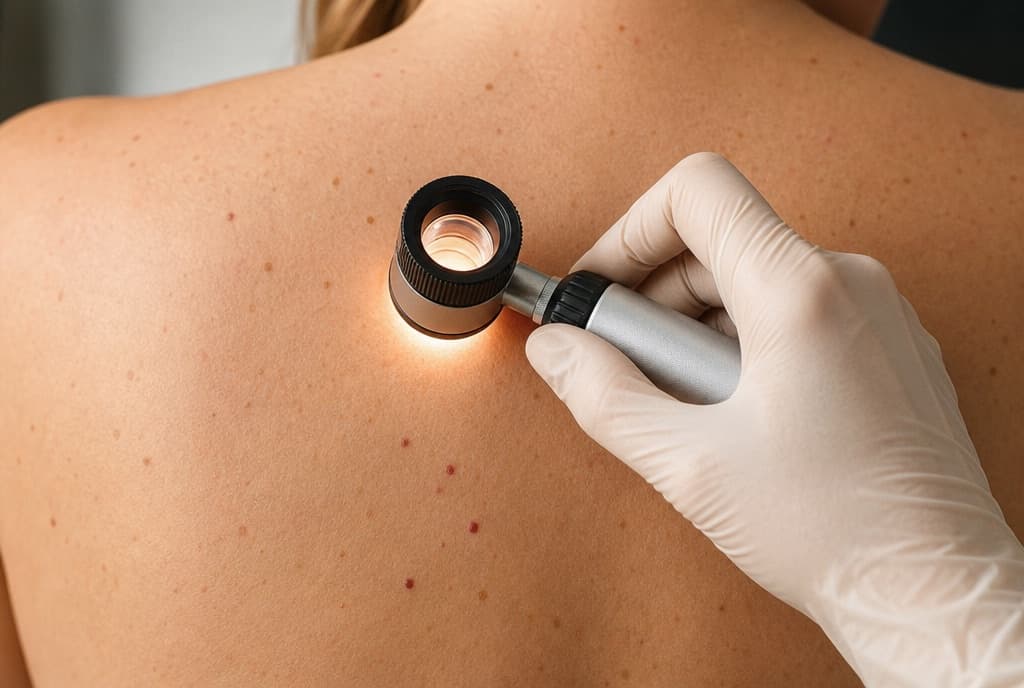
Self-examination every few months (with a mirror or someone's help for your back) is a good habit. And a periodic dermatology check is worthwhile, especially if you have many moles, fair skin, a family history of melanoma or a history of sunburns. In consultation we use dermatoscopy to see details invisible to the naked eye.
Prevention: the sun, again
Cumulative sun exposure is the main modifiable risk factor. Protecting your skin from the sun all year round reduces both risk and aging. Faced with any mole that changes or raises doubts, do not wait: a timely assessment is the best decision.
Medically reviewed by
Dr. Angélica Ruiz Dueñas
Medical & Aesthetic Dermatology · Professional license 13301912 · Specialty 10345874
This article is for general guidance and does not replace a medical consultation. For a personalized diagnosis, book an assessment with Dr. Angélica Ruiz.
Dermatology consultation
Your skin deserves medical insight.
Clear up your doubts with a professional assessment and a plan designed for your case.
See all treatments