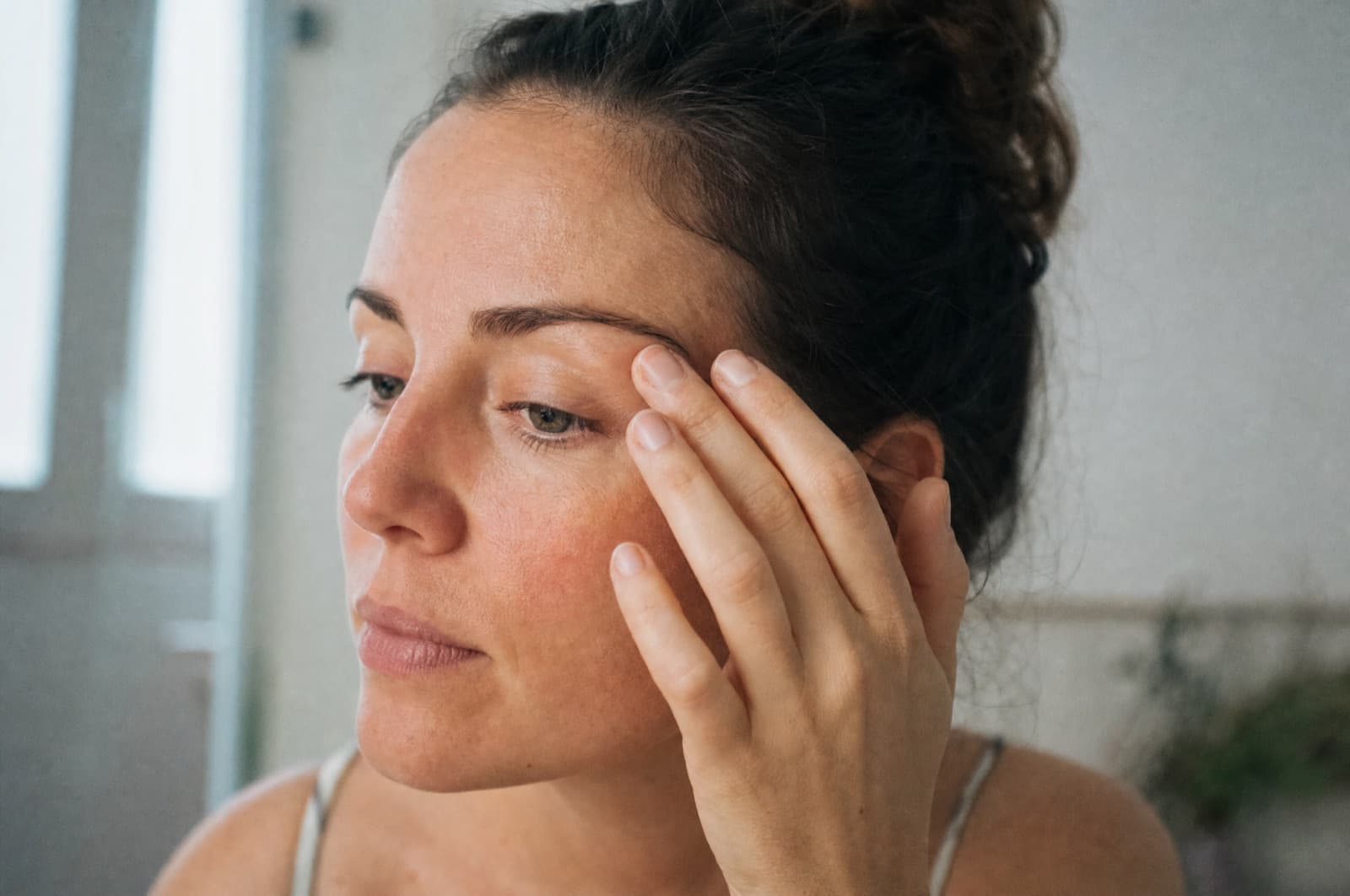
I overplucked my eyebrows for years and they won't grow back: is there a fix?
If you grew up in the skinny-brow era, you know the story: pluck, pluck, pluck… and one day the hair stopped coming back. We explain what happened to your follicles, how to know if they can still wake up, and what to do when they can't.

In the late 90s and through the 2000s, fashion dictated pencil-thin brows — and an entire generation obeyed, tweezers in hand. Twenty years later, fashion changed, but many brows could not change with it: the hair simply stopped growing. If that is your case, here is the explanation of what happened down there — and the honest map of solutions.
The trend that cost us our brows
It wasn't one decision, it was thousands: every tweezing session for years. Occasional plucking is harmless, but repeated, sustained plucking over years subjects the follicle to trauma it doesn't always recover from. The result has a medical name — traction alopecia — and a simple translation: after so much pulling, the root eventually gave up.
What happens to a follicle you pluck a thousand times
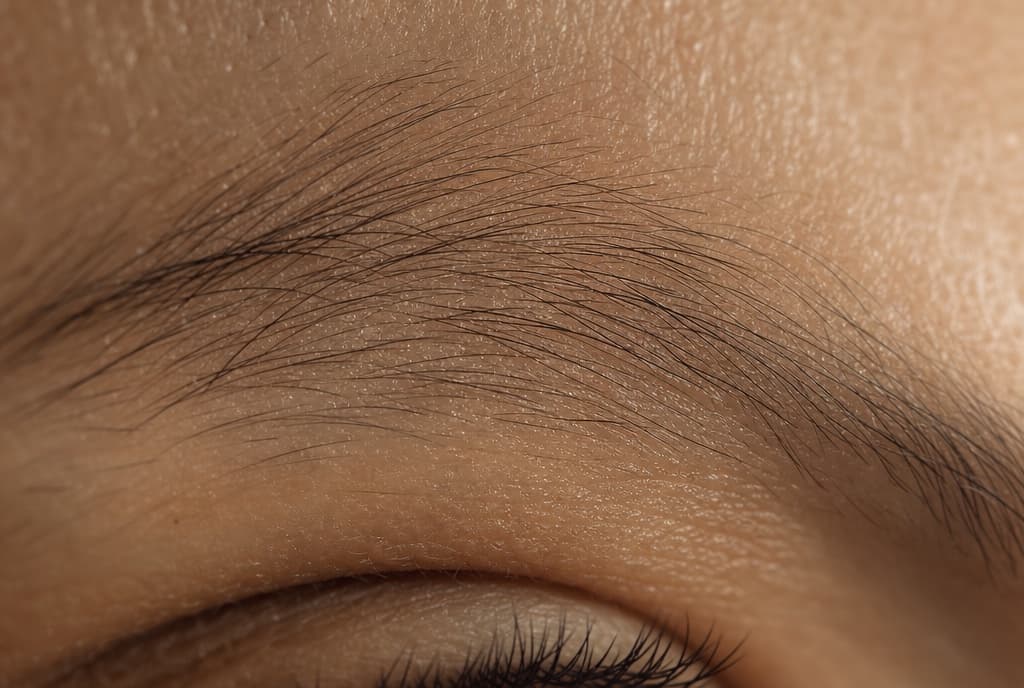
Every time you pull a hair out by the root, the follicle has to rebuild its machinery. The first few hundred times, it manages. But repeated microtrauma generates inflammation and fibrosis — internal scarring — around the follicle, until it miniaturizes or dies. That is why an overplucked brow doesn't 'refuse' to grow: in the most punished areas, there is nothing left to grow from.
The six-month test
How do you know if your follicles are still alive? Leave the area completely alone for 3–6 months: no tweezers, no wax, no threading. The brow hair cycle is slow, and a damaged-but-living follicle can take months to show up again. Whatever grows in that window is your 'census' of surviving follicles. Whatever hasn't emerged in 6 months will, in all likelihood, not return on its own.
What can help (and what can't)
- Minoxidil (off-label, always with a prescription): it can thicken and wake weakened-but-living follicles. It does not create new ones.
- Drugstore 'miracle' serums and castor oil: no solid evidence. At best, they condition existing hair.
- Microblading: it draws, it doesn't repopulate — and over the years it can bring problems of its own, as we cover in transplant vs microblading.
- What definitely helps: putting the tweezers down. Sounds obvious; it is the hardest part.
When the follicle is gone: the transplant
If the six-month test confirms there are areas with no return, the only way to have real hair there is to bring it from somewhere else: an eyebrow transplant grafts follicles from your nape, one by one, that grow naturally and permanently. It is precisely the most frequent case at our practice: the skinny-brow generation recovering what fashion took. See whether you are a candidate, review what the procedure is like or book your assessment at eyebrow transplant.
Medically reviewed by
Dr. Angélica Ruiz Dueñas
Medical & Aesthetic Dermatology · Professional license 13301912 · Specialty 10345874
This article is for general guidance and does not replace a medical consultation. For a personalized diagnosis, book an assessment with Dr. Angélica Ruiz.
Eyebrow transplant
Want natural eyebrows that last for good?
Find out in consultation whether the eyebrow transplant is for you. We study your density, shape and expectations to give you a tailored result.
See the eyebrow transplant page