Am I a candidate for a hair transplant? The five criteria we assess
Not every kind of hair loss should be operated on — and operating at the wrong time is one of hair medicine's most expensive mistakes. These are the five criteria we assess before saying yes (and the alternatives when the answer is 'not yet').

The right question before a hair transplant is not 'how many grafts do I need?' but 'should I operate — and should I operate now?'. At our practice we say 'yes' often, but we also say 'not yet' and 'no, your case is treated differently.' These are the five criteria that separate each answer.
Not every hair loss should be operated on
A transplant redistributes hair: it creates no new hair and does not stop shedding. It works wonderfully in androgenetic alopecia — the common, hereditary kind — because nape hair is resistant to it. But there are alopecias where grafting is bad medicine: active autoimmune ones like areata (the immune system would attack the grafts too), flaring scarring alopecias, or an unresolved effluvium. Always step one: diagnosis with trichoscopy.
The age factor and stable hair loss
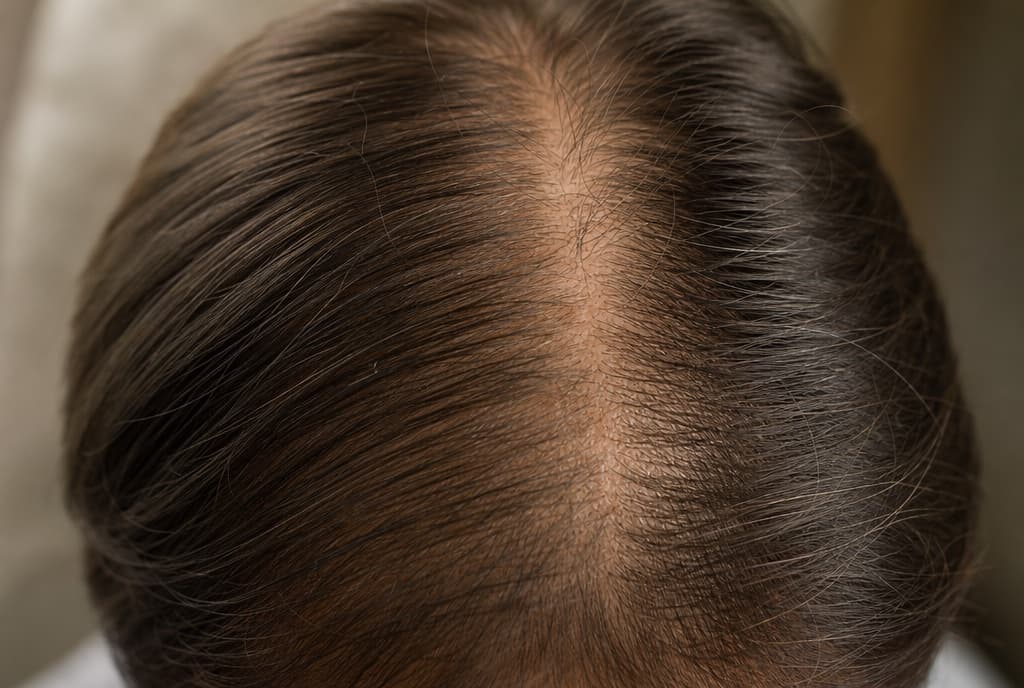
It is the criterion that surprises people most: operating too young is usually a bad idea. At 22, the alopecia is in full evolution: if today's hairline is grafted, the surrounding hair will keep receding and in five years the result will sit like an island. We prefer to stabilize first with medical treatment and operate when the pattern is predictable — usually from 27-30 on, though every case is its own.
Your donor area: the real budget
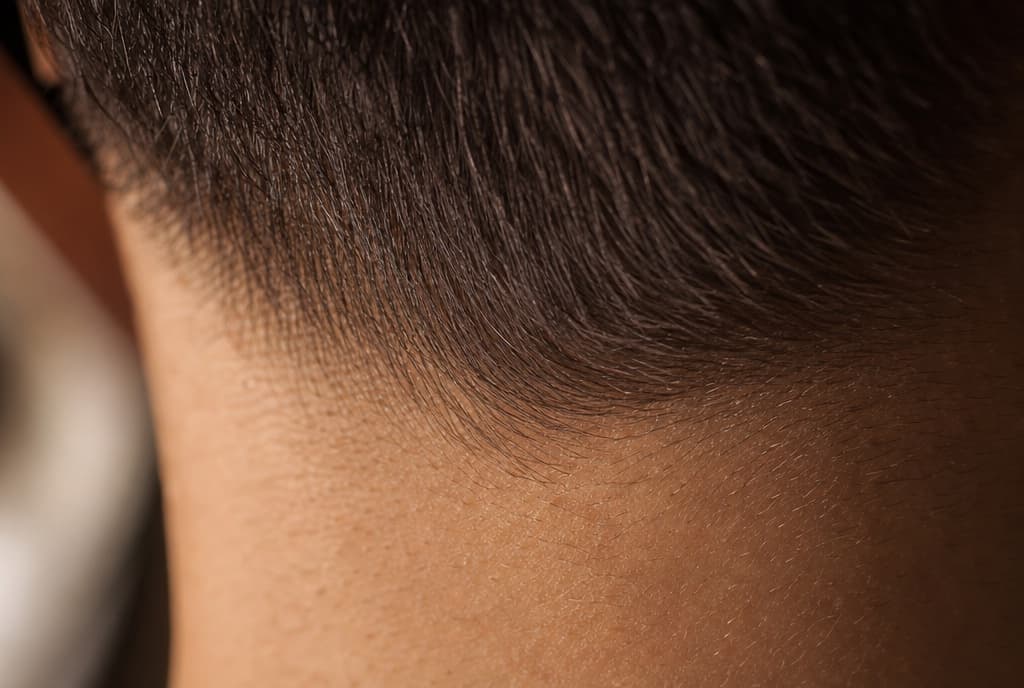
The nape is a finite resource: it holds a limited number of follicles that can be extracted without it showing. That is your lifetime 'budget,' and planning means spending it wisely — prioritizing the hairline and visible zones, and keeping reserves in case the alopecia advances. A poor donor doesn't always rule out surgery, but it does force more selective goals.
Expectations: reasonable density, not your teenage one
A well-done transplant restores a natural, visually dense hair frame, but not the original juvenile density: donor math doesn't allow it, and whoever promises that is selling. The honest conversation about what can be achieved with YOUR donor and YOUR pattern is part of the assessment — and the most reliable sign you are in good hands.
If you're not a candidate today: plan B
'Not yet' does not mean 'nothing to do.' Medical treatment (minoxidil, antiandrogens where appropriate) slows the loss and thickens what remains; hair mesotherapy can add reinforcement; and that same treatment, maintained, is what will make a future transplant last. The full plan's sequence is in our complete approach to hair loss — and the assessment, whenever you like, at hair transplant.
Medically reviewed by
Dr. Angélica Ruiz Dueñas
Medical & Aesthetic Dermatology · Professional license 13301912 · Specialty 10345874
This article is for general guidance and does not replace a medical consultation. For a personalized diagnosis, book an assessment with Dr. Angélica Ruiz.
Trichology assessment
Every hair loss has a cause. Let's find yours.
A timely diagnosis preserves more hair. Book a trichology assessment and we'll design a medically backed plan.
See the hair transplant page