Hair loss: the complete plan, from diagnosis to transplant
Minoxidil bought blind, trendy supplements, and maybe someday 'getting surgery': that is how most people approach hair loss — in random order. This is the complete plan, step by step and in the right order, explained by a dermatologist.
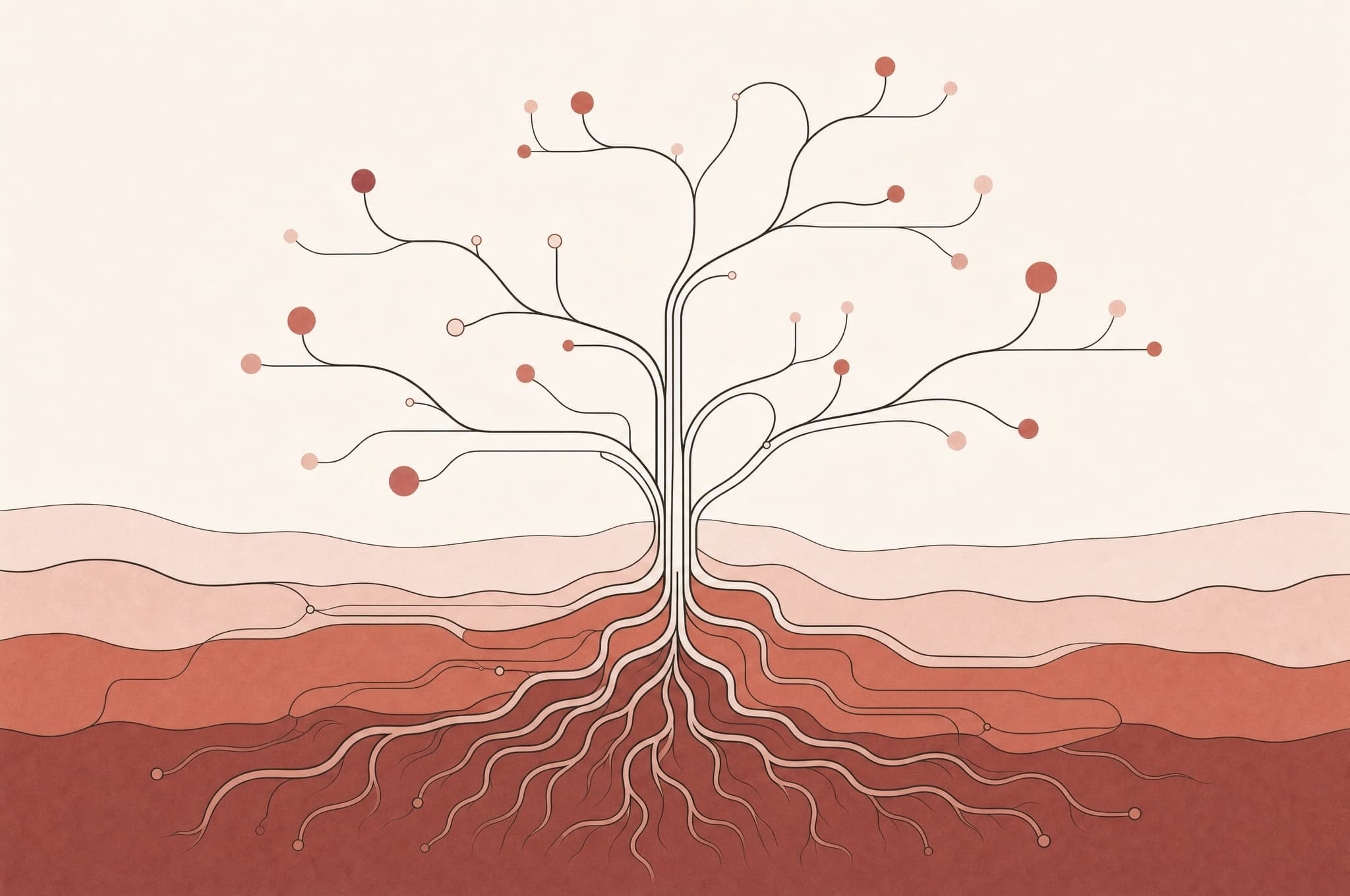
Hair loss generates a peculiar consumption pattern: buying comes first and diagnosis second — or never. Minoxidil on a friend's advice, biotin on an ad's advice, and the vague idea that 'if it ever gets really bad, I'll get surgery.' This article puts all of that in order as a step-by-step plan — the same one we follow at the clinic, and the map of everything this blog has published about hair.
Why 'I'll use minoxidil' is not a plan
Because 'alopecia' is a genus, not a diagnosis: androgenetic loss asks for one treatment, effluvium asks for finding the trigger, areata asks for stopping an immune attack — and treating one as if it were another means spending months and money on the wrong target. Every serious plan starts the same way: giving your hair loss its surname.
Step 1: a real diagnosis
The complete hair consultation includes a clinical history (pattern, speed, family history, medications), trichoscopy — the dermatoscope applied to the scalp, distinguishing miniaturization, inflammation or scarring in minutes — and, when the picture calls for it, targeted blood work: ferritin, thyroid, vitamin D and hormones as appropriate. From here comes your alopecia's surname — and with it, everything else.
Step 2: medical treatment as the foundation
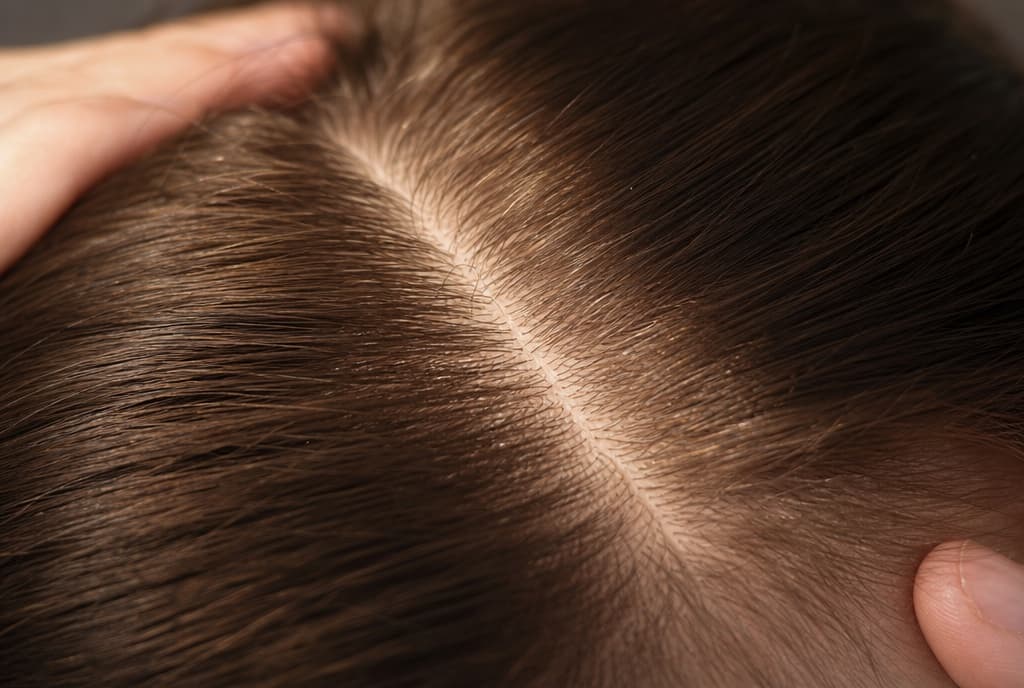
In androgenetic alopecia — the vast majority of cases — medical treatment is the foundation of everything else: minoxidil to thicken and stimulate, antiandrogens (finasteride and family, always with medical indication and follow-up) to brake the hormonal cause. Its job is not spectacular, it is structural: stopping the bleed. A year of well-run treatment usually means visible stabilization — and it is a common-sense requirement before considering surgery.
Step 3: the reinforcements that add up
On top of the foundation, the reinforcements: hair mesotherapy to deliver actives straight to the follicle, and correcting whatever the blood work uncovered (iron, vitamin D, thyroid). Supplements enter here only with a demonstrated deficiency: without a real deficit, biotin and company have nothing to add. Reinforcements, not protagonists: none replaces step 2.
Step 4: the transplant, at its right moment
With the correct diagnosis, the alopecia stabilized and the candidacy criteria met, the **FUE transplant** is the piece that replaces what treatment cannot: hair already lost. At its right moment it is an extraordinary tool — with its results calendar, its aftercare and its most valuable resource: the donor area. Out of its moment, it is the most expensive way to chase a moving alopecia.

Your decision tree
The pocket version: sudden, diffuse shedding? → probably effluvium: diagnosis and trigger. Round patches? → areata: consultation this week. Temples/crown receding over years? → androgenetic: medical treatment now, and a transplant once stable and when you want it. Not sure? → that is exactly what the consultation is for. Hair loss is one of the few medical problems where arriving early multiplies your options at every step — start with the assessment.
Medically reviewed by
Dr. Angélica Ruiz Dueñas
Medical & Aesthetic Dermatology · Professional license 13301912 · Specialty 10345874
This article is for general guidance and does not replace a medical consultation. For a personalized diagnosis, book an assessment with Dr. Angélica Ruiz.
Trichology assessment
Every hair loss has a cause. Let's find yours.
A timely diagnosis preserves more hair. Book a trichology assessment and we'll design a medically backed plan.
See the hair transplant page