Hair transplant aftercare: the first-weeks guide
The first 72 hours decide much of the graft survival — and the first wash is the moment that commands the most respect. The complete guide: how to sleep, how to wash, what to avoid and which signs actually merit a message.

Surgery puts the follicles in place; the following weeks decide how many take. The good news: the care is simple, and the margin for error wider than fear suggests. This guide complements the written instructions we hand over when you leave the operating room — and answers the questions that generate the most messages.
The first 72 hours: the critical period
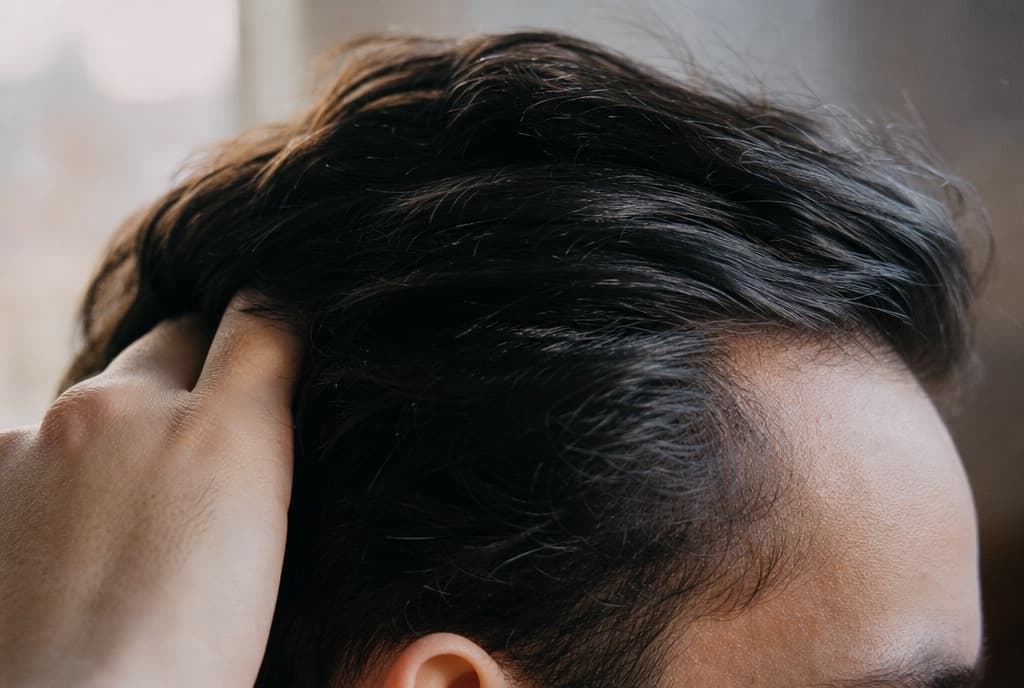
Grafts take about three days to 'anchor' to their new blood supply. Until then, the golden rules: do not touch the recipient area (not even to check 'if they're still there' — they are), sleep propped up at 45 degrees with the neck supported so nothing rubs the pillow, apply the hydrating spray at the prescribed frequency, and water, a common painkiller if needed and zero alcohol. The donor area, meanwhile, will barely complain: a light dressing the first day and done.
The first wash, step by step
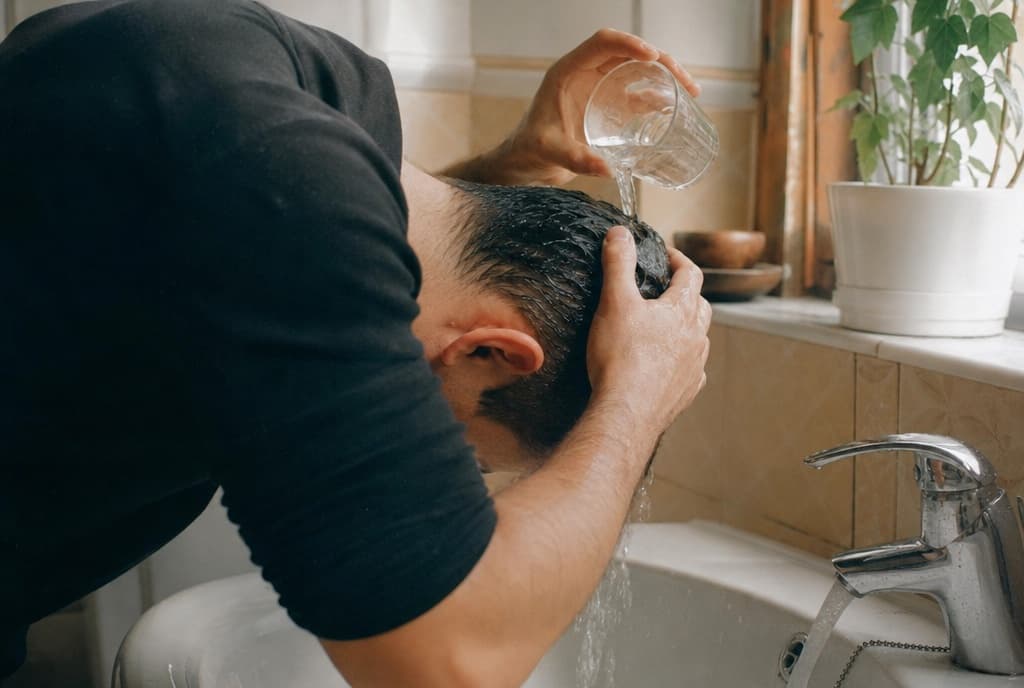
It usually happens at 48-72 hours, and it is the moment that commands the most respect — needlessly, if the technique is followed: foam from the prescribed shampoo applied with gentle dabs (no rubbing), rinsing with lukewarm, low-pressure water — a cup or jug, never the direct shower stream — and drying by dabbing with paper or a clean towel, without dragging. Like that every day: gentle, consistent cleansing is precisely what helps the scabs leave on their own.
Days 4-10: scabs and patience
A tiny scab forms around each graft and falls off on its own between days 7 and 14, often during the wash. The temptation to help with a fingernail is enormous and strictly forbidden: pulling a premature scab can take the graft with it. This phase's itching is a good sign (healing) and is managed with the spray and patience — never with scratching.
Weeks 2-4: back to your life
- Work: office or remote, in 2-4 days; physical work or helmet/headgear, per individual guidance.
- Exercise: walking from day one; moderate exercise around day 10-14; intense training, contact sports and heavy lifting, after week 3-4 (sweat and pressure spikes, gently).
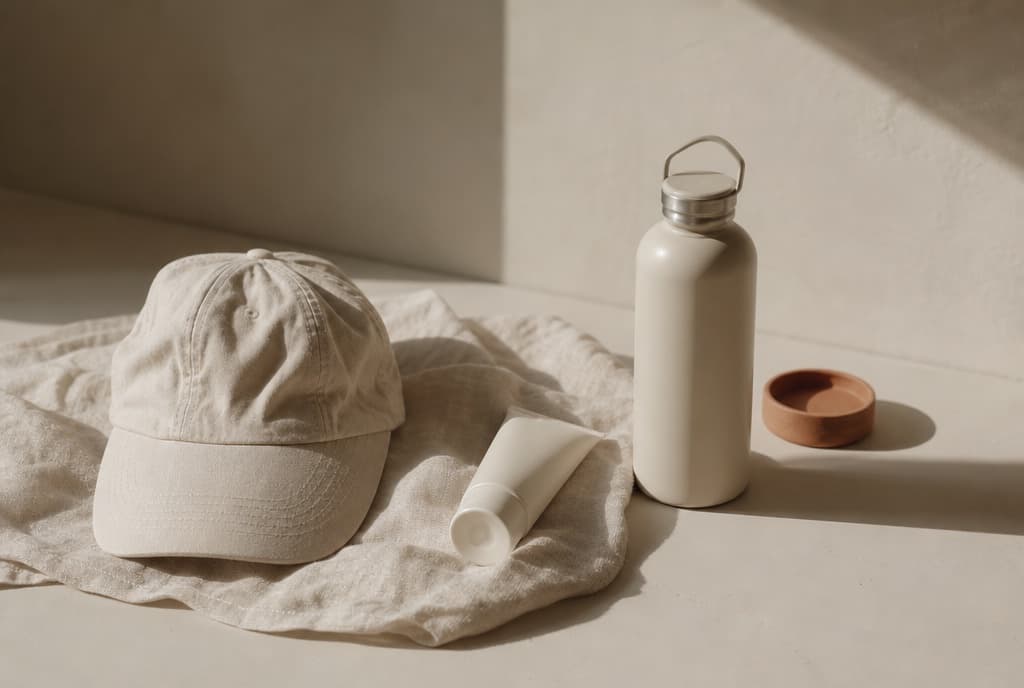
- Cap: loose and clean from day 7-10 — your social and solar ally.
- Direct sun: protected for 4-6 weeks (cap on); grafted skin burns and stains easily.
The (temporary) forbidden list
Alcohol for the first 5-7 days (it interferes with healing) and tobacco for as long as possible before and after — nicotine strangles the microcirculation your grafts need to take. Pool and sea, 4 weeks (chlorine, salt and bacteria). Hair dye, 4-6 weeks. And the behavioral forbidden: comparing your day 20 with a stranger's day 20 on the internet — every scalp keeps its own rhythm.
And after the weeks, the months
Past the first 3-4 weeks, your active role nearly ends: care relaxes into normal life and the starring role passes to the biological calendar — shock loss included, arriving right on time and you already know it's normal. What remains are the scheduled follow-ups and one background task: maintaining the medical treatment of your native hair, the other half of the plan. If you haven't taken the step yet and are still researching, start with whether you are a candidate — and for everything else, the assessment.
Medically reviewed by
Dr. Angélica Ruiz Dueñas
Medical & Aesthetic Dermatology · Professional license 13301912 · Specialty 10345874
This article is for general guidance and does not replace a medical consultation. For a personalized diagnosis, book an assessment with Dr. Angélica Ruiz.
Trichology assessment
Every hair loss has a cause. Let's find yours.
A timely diagnosis preserves more hair. Book a trichology assessment and we'll design a medically backed plan.
See the hair transplant page