What a hair transplant is really like, step by step
From the hairline design to walking out on your own two feet: we walk you hour by hour through an FUE hair transplant day, what each phase feels like and what you go home with.
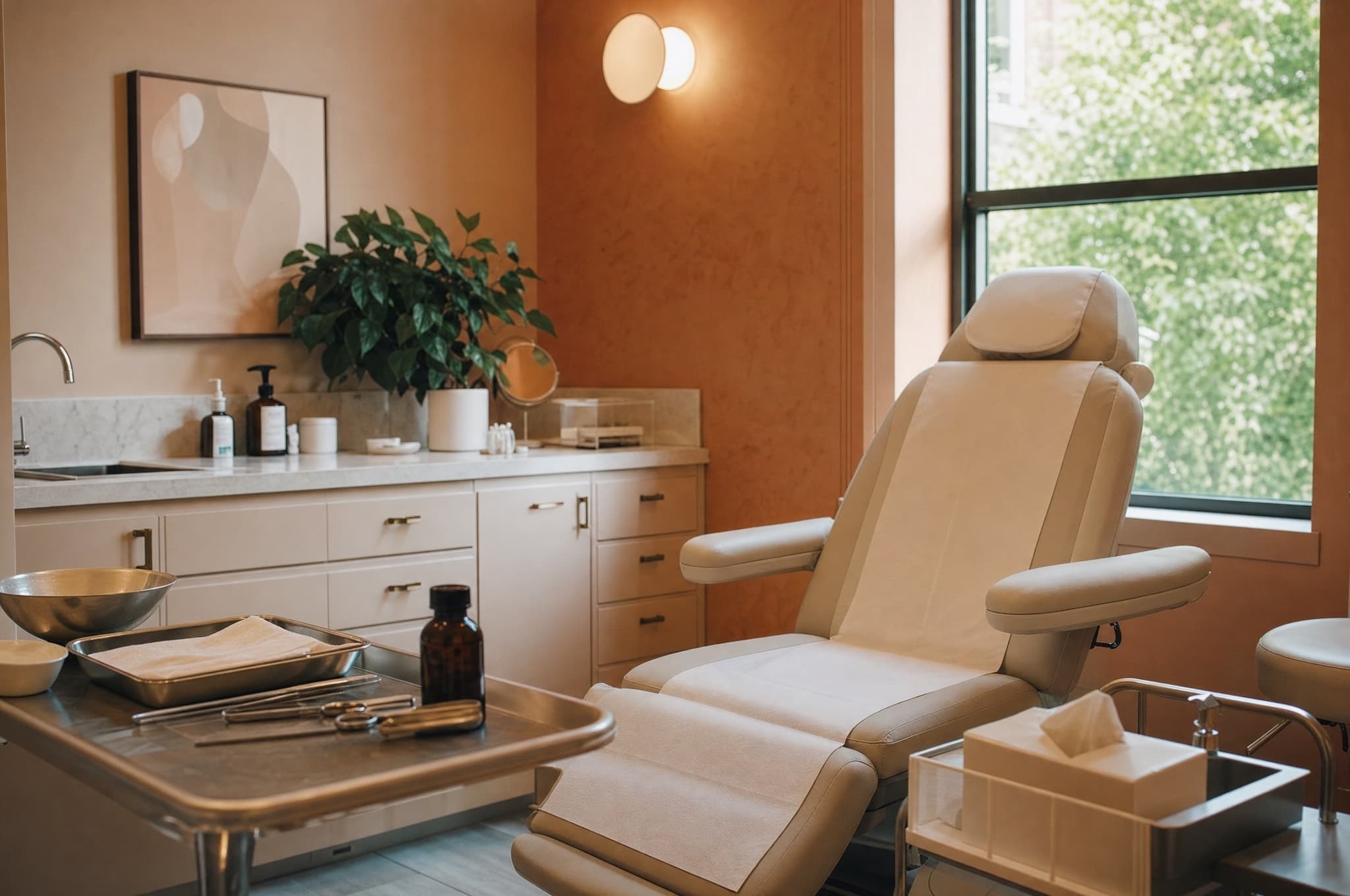
The hair transplant is probably the procedure people ask about the most and get explained the least. So let's tell the whole story: it is an outpatient surgery, under local anesthesia, lasting 6 to 8 hours — longer than the eyebrow transplant, because far more follicles are moved — and you walk out the same day.
The hairline design
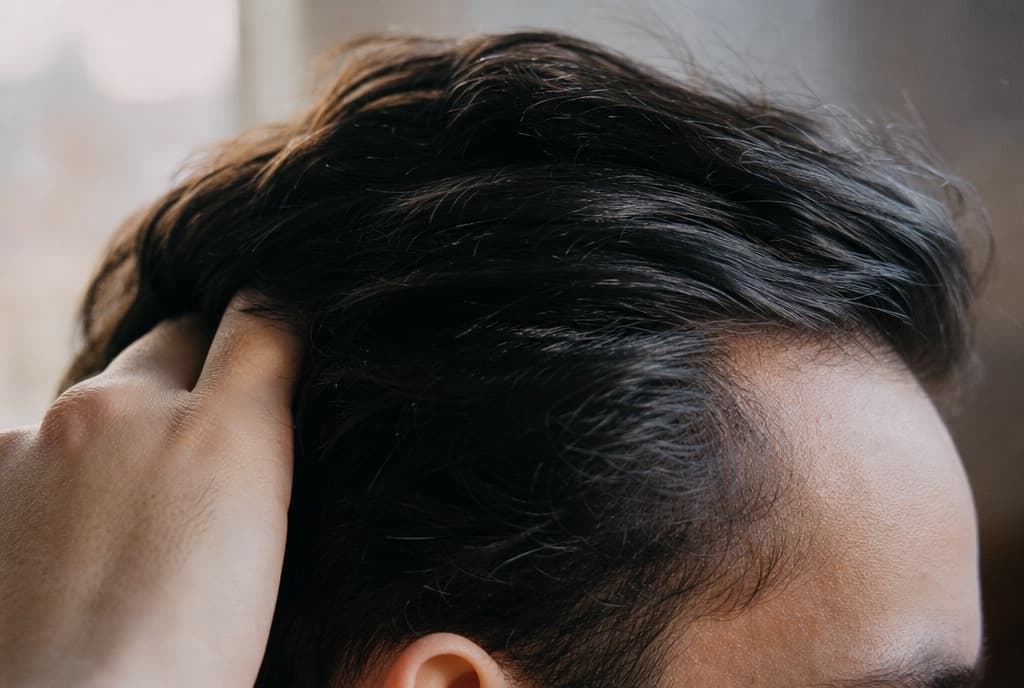
Everything starts with a pencil: the hairline is drawn with you at the mirror, respecting your age, your features and — this is key — the age you will be in twenty years. A hairline set too low or too straight is the classic mistake of template clinics. The areas to densify (temples, crown) are also mapped, and the follicles each one needs are counted.
The FUE extraction from the nape
After the local anesthesia — a few pinches, the most uncomfortable part of the day — the follicles are extracted one by one from the donor area with a micropunch: no scalpel, no stitches and no linear scar. The nape is chosen because its hair is genetically resistant to androgenetic alopecia: it doesn't fall out because it never 'listened' to the hormone that thins the rest. Why that area is a finite resource and how we protect it is covered in the donor area.
Sorting: 1-, 2- and 3-hair units
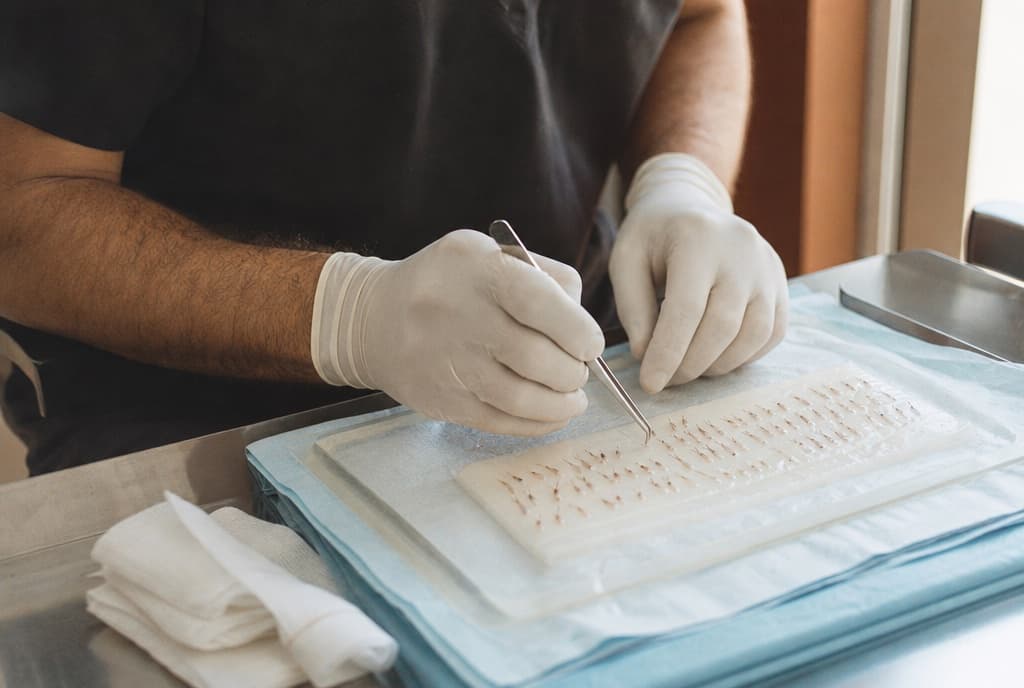
Hair doesn't grow one strand at a time: it grows in follicular units of 1, 2 or 3 hairs. Each extracted unit is examined and classified under the microscope, because each type has its destination: single-hair units go to the hairline (where any extra thickness shows), and 2-3 hair units build density behind it. This silent sorting is half of the result's naturalness.
The zone-by-zone implantation
Zone by zone, each unit is implanted controlling depth, angle and direction: tilted forward at the front, in a whorl at the crown. It is the longest phase of the day and the one that separates a natural result from 'doll hair.' There are no shortcuts here: every follicle is placed individually.
How long it takes and what it feels like
Between 6 and 8 hours depending on the number of follicles, with breaks. It is a long but calm day — our patients usually say it goes faster than they expected. At the end, all the work is reviewed, written instructions are handed over and you go home on your own two feet.
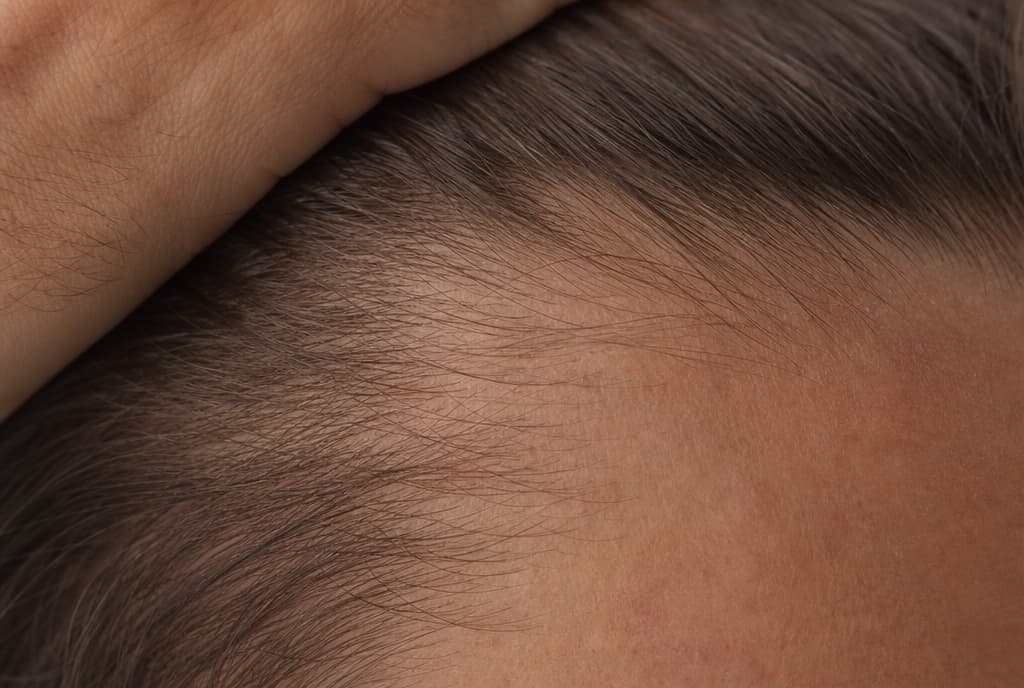
This is how you leave the clinic
You leave with the recipient area uncovered (the grafts need to breathe), clear instructions for the first 72 hours and our direct contact. The first weeks' care has its own guide in hair transplant aftercare, and the honest growth calendar — shock loss included — in results month by month. If you are considering the step, start by learning whether you are a candidate or explore the procedure at hair transplant.
Medically reviewed by
Dr. Angélica Ruiz Dueñas
Medical & Aesthetic Dermatology · Professional license 13301912 · Specialty 10345874
This article is for general guidance and does not replace a medical consultation. For a personalized diagnosis, book an assessment with Dr. Angélica Ruiz.
Trichology assessment
Every hair loss has a cause. Let's find yours.
A timely diagnosis preserves more hair. Book a trichology assessment and we'll design a medically backed plan.
See the hair transplant page